An adult tooth should not be loose. If one of your adult teeth feels loose, it is a sign something is wrong, most often gum disease, an injury, grinding, or infection, and it is worth seeing a dentist soon. The earlier we look, the better the chance of keeping the tooth.
Here is what causes a loose tooth in an adult, what to do in the meantime, and how we treat it.
Why does an adult tooth become loose?
A healthy tooth is held firmly in place by the gums and the jawbone around its root. A loose tooth means that support has weakened or been damaged. The most common reasons are:
- Gum disease. Advanced gum disease destroys the gum tissue and bone that hold teeth in place. It is one of the main reasons adults lose teeth, and it often develops with little pain, so a loose tooth can be the first obvious sign.
- An injury. A blow to the mouth, a fall, or a sports accident can loosen a tooth or damage its root.
- Grinding or clenching. Heavy, repeated pressure can strain the tissue around a tooth over time and cause it to loosen.
- An infection or abscess. Infection at the root can damage the bone around the tooth. Our article on the signs of a dental abscess and what happens if you ignore one explains the warning signs.
- Bone loss. When the jawbone shrinks, whether from gum disease, a missing neighboring tooth, or other causes, nearby teeth lose support.
- A crown or restoration that is failing. Sometimes it is the crown and not the tooth that moves. An exam tells the two apart.
Loose baby teeth are normal in children. A loose adult tooth is not.
What to do if you have a loose tooth
- Call your dentist soon. Do not wait for it to fall out. A tooth that is caught early has more treatment options.
- Do not wiggle it. Pushing it with your tongue or fingers can damage the tissue and make it looser.
- Chew on the other side and avoid hard, sticky, or crunchy foods.
- Keep the area clean. Brush gently and floss carefully. Good cleaning slows the bacteria that cause gum disease.
- If the tooth was knocked or has come out, treat it as urgent. Keep the tooth, avoid touching the root, and call us immediately.
If you have pain, swelling, or a fever, our same day emergency care can see you quickly.
How a loose tooth is treated
The treatment depends on why the tooth is loose. After an exam and X-rays, we may recommend one or more of the following:
- Deep cleaning and gum treatment. If gum disease is the cause, cleaning below the gumline removes the bacteria and tartar and gives the gums a chance to heal and tighten around the tooth.
- Adjusting your bite. If a tooth takes too much force when you bite, smoothing the contact can relieve the stress.
- A night guard. If you grind or clench at night, a guard protects your teeth from the pressure.
- Splinting. A loose tooth can sometimes be joined to its neighbors to stabilize it while it heals.
- Root canal treatment. If infection inside the tooth is the cause, a root canal may save it. Our root canal therapy page explains the process.
- Extraction. If the tooth cannot be saved, removing it prevents infection from spreading and lets us plan a replacement.
Many loose teeth can be steadied once the cause is treated, particularly when the problem is caught early. Others, especially those with severe bone loss, may not be savable.
Replacing a tooth that cannot be saved
Losing a tooth does not mean living with a gap. When a tooth is lost, the neighboring teeth can drift into the space and the jawbone under it can begin to shrink. Our article on what happens when a missing tooth is left untreated explains why replacing it matters.
The main options are:
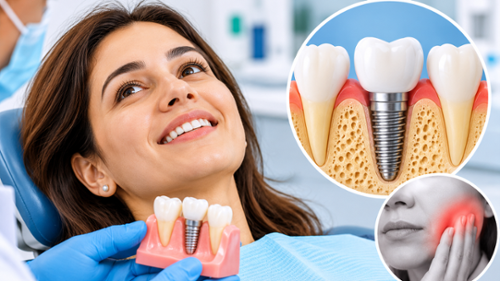
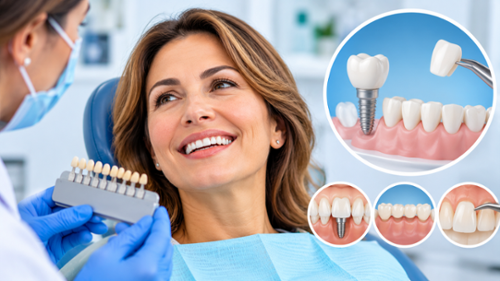
- A dental implant, which replaces the root and holds a crown in place. Our dental implants page explains how they work.
- A bridge, which uses neighboring teeth to support a replacement tooth.
- A partial denture, which replaces one or several teeth and can be removed for cleaning. You can see the options on our dentures page.
If bone loss is part of the picture, it affects which options are available. Our guide to how bone loss affects implant candidacy covers when grafting may be needed.
Can a loose tooth tighten up on its own?
Sometimes a tooth that was loosened by a minor injury can firm up as the tissue around it heals. A tooth that is loose because of gum disease, infection, or bone loss will not fix itself, and it usually gets worse. Do not wait to see which it is. A quick exam gives you an answer.
How to prevent loose teeth
- Brush twice a day and floss daily to keep gum disease under control.
- Get regular cleanings and checkups. Early gum disease is easy to treat.
- Wear a mouthguard for contact sports.
- Ask about a night guard if you grind your teeth.
- Do not use your teeth as tools.
- Avoid tobacco, which increases the risk of gum disease.
When a loose tooth is an emergency
Some situations should not wait for a regular appointment. Call us right away if a tooth became loose after a blow to the mouth, if it is loose and painful, or if you see swelling, pus, or a fever along with it. A tooth that has been knocked partly or fully out is time sensitive, and the sooner we see it the better its chances. If swelling spreads across your face or you have trouble breathing or swallowing, go to the nearest emergency room.
Frequently asked questions
Is it normal for an adult tooth to feel loose?
No. Adult teeth should feel firm. A loose tooth is a sign of a problem, such as gum disease, an injury, grinding, or infection, and should be checked.
Can a loose adult tooth be saved?
Often, yes, if the cause is found and treated early. Gum treatment, a bite adjustment, a night guard, splinting, or a root canal can steady many loose teeth. Severe bone loss or damage may make saving it impossible.
Should I pull a loose tooth?
No. Do not pull or wiggle it. Call a dentist. Pulling it yourself can cause infection, bleeding, and damage to the bone.
What causes a loose tooth without pain?
Gum disease is a common cause, because it often progresses without much pain. A tooth with a dead nerve can also be loose without hurting. Lack of pain does not mean it is not serious.
How do I replace a tooth that falls out?
Options include a dental implant, a bridge, or a partial denture. Which one fits depends on the condition of your jawbone, your neighboring teeth, and your goals. We can walk you through them at a consultation.
Have a loose tooth? Call us
A loose tooth is worth acting on quickly. Call WinningSmiles in Fontana at (909) 550-5243 or contact us online, and we will find the cause and plan the next step.