Getting a dental implant is a genuine milestone, but the work does not really stop once the procedure is done. Like natural teeth, dental implants depend on ongoing care to stay in good shape, and a lot of patients are surprised by how much dental implant maintenance actually overlaps with the habits they already know. The difference is a few extra details worth understanding, so your implant holds up the way it is meant to.
The good news is that none of this requires anything drastic. Most of what keeps an implant healthy comes down to consistency: showing up for checkups, brushing and flossing the right way, and paying attention to a few warning signs if something feels off. Here is a closer look at what dental implant maintenance actually involves and why it matters so much for the long run.
Why Dental Implant Maintenance Matters More Than People Expect
It is easy to assume that once an implant is placed and healed, it behaves just like a natural tooth and needs nothing extra. In some ways, that is true, but implants also come with their own considerations. The metal post integrates with the jawbone, but the gum tissue and bone around it can still be affected by plaque buildup, just like natural teeth.
A condition called peri-implantitis, essentially gum inflammation and bone loss around an implant, can develop if plaque is allowed to build up consistently over time. This is part of why dental implant maintenance is not optional extra credit. It is a core part of protecting the investment you made in getting the implant in the first place.
Daily Habits That Support Long-Term Implant Health
Good implant care does not look dramatically different from good general oral hygiene, but a few small adjustments can make a meaningful difference. Brushing twice a day with a soft-bristled brush helps protect both the implant crown and the surrounding gum tissue without being overly abrasive. Angling the brush slightly toward the gum line around the implant can help clear away plaque that tends to collect there.
Flossing remains just as important around an implant as around natural teeth, though some patients find specialized implant floss or interdental brushes easier to maneuver around the crown. A water flosser is another option some patients prefer, since it can reach tighter spaces without requiring as much manual dexterity. Whatever tools you use, the goal is the same: keeping the area around the implant as clean as the rest of your mouth.
Foods and Habits That Can Affect Implant Longevity
What you eat and a handful of everyday habits can play a bigger role in implant health than most people realize. Very hard foods, like ice, hard candy, or unpopped popcorn kernels, put unnecessary stress on the implant crown and can occasionally lead to chips or cracks over time. Sticky foods can also pull at the crown in ways that are worth being mindful of, particularly in the first several months after placement.
Habits like grinding or clenching your teeth at night can put repeated pressure on an implant that it was not necessarily designed to absorb long-term. If you know you grind your teeth, mentioning it to your dentist is worth doing, since a nightguard can help protect both implants and natural teeth from that kind of wear.
Why Regular Dental Checkups Are Essential for Implants
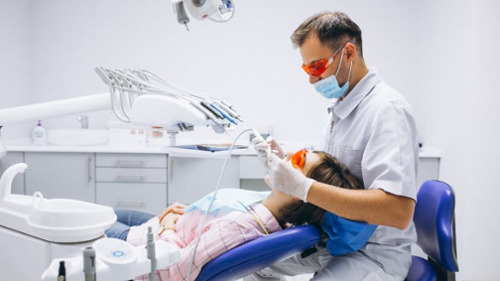
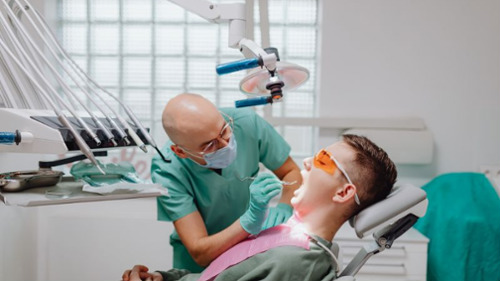
Routine visits play a bigger role in dental implant maintenance than a lot of patients initially expect. During checkups, your dentist can examine the gum tissue around the implant, check the stability of the crown, and take X-rays periodically to monitor the bone level supporting the implant underneath the gum.
Catching early signs of gum irritation or bone changes during a routine visit is generally far easier to manage than addressing more advanced issues later. Most dentists recommend checkups every six months for implant patients, similar to the schedule recommended for natural teeth, though your specific interval may vary based on your overall oral health.
Warning Signs That Something May Need Attention
Most implants function smoothly for years without complications, but it helps to know what is not typical so you can reach out if something changes. Persistent discomfort or tenderness around the implant that does not improve within a few days is worth mentioning to your dentist. Swelling or bleeding around the implant site, especially if it seems to be getting worse rather than better, is another signal worth checking on.
A loose-feeling crown, or any noticeable change in how the implant fits against neighboring teeth, should also prompt a call to your dental office rather than waiting for your next scheduled checkup. Catching these signs early tends to make treatment simpler if something does need attention.
Building a Long-Term Dental Implant Maintenance Routine
Consistency really is the theme running through all of this. A solid dental implant maintenance routine typically includes brushing twice daily, flossing or using an interdental tool once a day, avoiding habits that put excess stress on the crown, and keeping up with regular dental visits every six months.
Over-the-counter mouth rinses designed for gum health can also be a helpful addition for some patients, though it is worth checking with your dentist before adding anything new to your routine, since certain rinses may not be necessary or appropriate for everyone.
Keep Your Smile Strong With WinningSmiles Custom Dentistry & Implant Center
Getting your implant placed is only the beginning of the story, and staying on top of maintenance is what helps it serve you well for years to come. Winning Smiles Custom Dentistry & Implant Center can help you build a maintenance routine tailored to your specific implant and answer any questions along the way. Reach out to WinningSmiles Custom Dentistry & Implant Center today to schedule a checkup and keep your implant in great shape.
Frequently Asked Questions
Q: How is dental implant maintenance different from caring for natural teeth?
A: The daily habits are largely the same, but implants can be affected by a condition called peri-implantitis if plaque builds up around them, so consistent brushing, flossing, and regular checkups matter just as much, if not more.
Q: How often should I see my dentist after getting an implant?
A: Most dentists recommend checkups every six months, similar to natural teeth, though your specific schedule may be adjusted based on your individual oral health needs.
Q: Can implants get cavities?
A: No, since the implant itself is not natural tooth structure. However, the surrounding gum tissue and bone can still be affected by inflammation or infection if plaque is not properly managed.
Q: What foods should I avoid to protect my dental implant?
A: Very hard foods like ice or hard candy and overly sticky foods are worth limiting, since they can put unnecessary stress on the implant crown, particularly in the months following placement.
Q: How do I know if something is wrong with my implant?
A: Persistent discomfort, swelling, bleeding, or a loose-feeling crown are all signs worth mentioning to your dentist promptly rather than waiting for your next scheduled visit.
Q: How long do dental implants typically last with proper maintenance?
A: With consistent dental implant maintenance, implants can often last many years, and in many cases decades, though individual results vary based on overall oral health and habits.