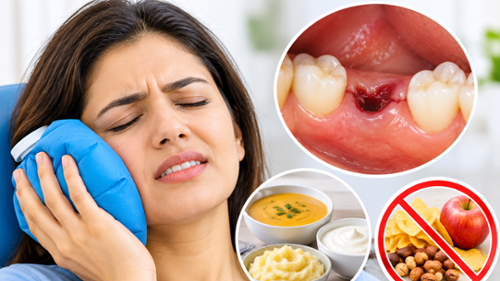
Some pain, swelling, and oozing after a tooth extraction is normal. Pain is usually strongest in the first day or two and eases over the following days, swelling often peaks within about two days, and bleeding should slow within the first few hours. A wisdom tooth removal can take longer to settle than a simple extraction. What you do in the first 24 hours has a big effect on how the rest of recovery goes.
This guide covers what is normal, how to manage it, what to eat, whether you can have coffee, and the signs that mean you should call us.
How long does pain last after a tooth extraction?
Most people feel the most soreness once the numbness wears off, and it tends to be at its worst over the first day or two. After that it usually eases a little more each day. Many people feel much better within several days, though the site can stay tender longer, especially after a surgical or wisdom tooth extraction.
The pattern is more useful than the exact number of days. Pain that is slowly improving is a good sign. Pain that gets worse after the third or fourth day, or comes back after it had eased, is the signal to call.
The first 24 hours
The clot that forms in the socket is what protects the area and lets healing begin, so most of the early advice is about leaving it undisturbed.
- Bite on the gauze with firm, steady pressure. Change it when it is soaked through. Some oozing is expected for the first several hours.
- Rest. Take it easy for the rest of the day and keep your head slightly raised when you lie down.
- Skip the straw. Suction can pull the clot out of place. Avoid spitting hard and avoid rinsing vigorously.
- Do not smoke or use tobacco. The American Dental Association notes that tobacco use can delay healing.
- Use a cold pack on the cheek, 10 to 20 minutes at a time, to limit swelling.
- Take pain relievers as directed before the numbness wears off, so the soreness does not catch up with you.
If you had sedation, have someone with you at home for the rest of the day. Our guide to preparing for wisdom tooth extraction covers what to arrange beforehand.
Swelling after an extraction
Some swelling is the body's normal response to surgery. It often builds over the first day or two, peaks around the second day, and then starts to go down. Bruising on the cheek or jaw can show up a little later and fade over several days.
Cold packs help in the first day. After that, many people find a warm compress more comfortable. What you are watching for is the trend. Swelling that keeps getting bigger after the second or third day, swelling that spreads, or swelling with fever or a bad taste could point to infection and needs a call to our office.
Bleeding: what is normal
A little blood mixed with saliva can show up for the first day. That is normal. If bleeding is steady and bright, bite on a clean piece of gauze, or a moist tea bag, with firm pressure for 30 minutes without peeking. If it still does not slow, call us. Do not wait until the next morning if bleeding is heavy.
What to eat after a tooth extraction
Eat soft foods that do not need much chewing, and chew on the side away from the extraction site.
Good choices in the first few days:
- Yogurt, pudding, and applesauce
- Mashed potatoes and soft scrambled eggs
- Smoothies, eaten with a spoon (not a straw)
- Soup that has cooled to lukewarm
- Oatmeal, soft pasta, and cottage cheese
Skip these until the area has healed:
- Chips, nuts, popcorn, and seeds that can lodge in the socket
- Hard or crunchy foods like raw carrots, crusty bread, and candy
- Spicy foods that irritate the wound
- Very hot food or drinks in the first day
- Alcohol while you are healing and taking pain medication
Add firmer foods back gradually as chewing becomes comfortable. If something hurts, go back to softer food for another day or two.
Can you drink coffee after a tooth extraction?
It is best to skip coffee for the first 24 hours. Hot drinks can dissolve or loosen the clot, and heat can increase bleeding and swelling at the site. Caffeine can also work against rest.
After that first day, a cup is usually fine if you let it cool to lukewarm and sip it straight from the cup. Do not use a straw. Iced coffee through a straw is a common mistake, because the suction is exactly what you are trying to avoid. If you have been prescribed medication or had sedation, ask us if it is safe for you to have coffee.
Cleaning your mouth without disturbing the site
- First day: Do not rinse or brush near the extraction site. You can brush the rest of your teeth gently.
- From the next day: Rinse gently with warm salt water after meals, letting the water fall out of your mouth rather than spitting.
- Brushing: Keep brushing the rest of your teeth normally and work around the site carefully until it has healed.
Keeping the area clean lowers the risk of infection, so do not skip these steps.
What is a dry socket, and how do you avoid it?
A dry socket happens when the blood clot over the extraction site comes loose, leaving bone and nerve exposed. The American Dental Association describes it as a painful condition that can follow an extraction, such as a wisdom tooth removal. The pain often shows up a few days after the procedure and can radiate toward the ear. You may also notice a bad taste or smell.
Your best protection is the early advice above: no straws, no smoking or tobacco, no hard spitting, and gentle care around the site. If you think you have a dry socket, call us. We can clean the area and place a medicated dressing for relief. Our article on the signs you need your wisdom teeth pulled also covers what recovery involves for wisdom teeth in particular.
Pain relief that works
Your dentist will tell you what to take based on your health and the type of extraction. For many patients, over the counter pain relievers taken as directed are enough. Take your first dose before the numbness wears off, and keep to the schedule for the first day or two instead of waiting until the pain builds. Always follow the label and your dentist's instructions, and tell us about any medical conditions, allergies, or other medications before you take anything.
Pain relievers work best alongside the basics: cold packs in the first day, a warm compress afterward, rest, soft food, and keeping the area clean. If the pain is strong enough that your medication is not helping, call us. That is a reason to be seen, not something to push through.
Wisdom tooth removal vs a simple extraction
Not all extractions heal the same way. A simple extraction, where the tooth is visible above the gum and comes out in one piece, usually means less swelling and a quicker recovery. A surgical extraction, such as an impacted wisdom tooth that needs to be sectioned or removed through the gum, involves more tissue. That usually means more swelling, a sore jaw, and a longer stretch before the area feels normal.
If you had a wisdom tooth removed, expect the jaw to feel stiff for a few days, and give yourself extra time to rest. Opening wide may be uncomfortable at first. Gentle jaw movement and soft foods help. If you are deciding whether you need the tooth removed in the first place, our guide to the signs you need your wisdom teeth pulled can help you think it through.
Caring for the site over the following weeks
The socket does not close overnight. Over the first week or so, the gum begins to heal over the clot, and over the weeks after that the area fills in as tissue and bone rebuild. During that time, food can sometimes catch in the socket. Gentle salt water rinses after meals usually keep it clean. Do not poke the area with a toothpick or your tongue.
If you have stitches, they may be dissolvable and fall out on their own within a week or two. If we need to remove them, we will let you know when to come back. Keep your follow up visit if we schedule one, because it lets us check that healing is on track.
Once the site is healed, we can talk about what comes next. A missing tooth left untreated can let neighboring teeth shift, so ask us about replacement options when you are ready.
When to call us
Please call the office if you notice any of these:
- Pain that gets worse after the third or fourth day instead of easing
- Swelling that keeps increasing or spreads
- Bleeding that does not slow after 30 minutes of firm pressure
- Fever, nausea, or vomiting
- Pus, a bad taste, or a bad smell from the site
- Numbness that lasts well after the anesthetic should have worn off
Trouble breathing or swallowing needs emergency care right away. Go to an emergency room or call 911. For urgent dental problems after hours or on short notice, our same day emergency care can help.
Frequently asked questions
How long does pain last after a tooth extraction?
Pain is usually strongest in the first day or two and eases over the following days. Many people feel much better within several days. Surgical and wisdom tooth extractions can stay sore longer. Pain that worsens after the third or fourth day should be checked.
When does swelling go down after an extraction?
Swelling often peaks around the second day and then begins to go down. Bruising can take several days to fade. Swelling that keeps growing after that point may mean infection, so call us.
Can I drink coffee after a tooth extraction?
Wait 24 hours. After that, let it cool to lukewarm and drink it from the cup without a straw. Avoid very hot drinks while the site heals.
What can I eat the day of the extraction?
Stick to soft, cool or lukewarm foods like yogurt, pudding, applesauce, and mashed potatoes. Avoid anything crunchy, spicy, or hot, and do not use a straw.
When can I go back to normal food and exercise?
Rest for the first day, then return to light activity as you feel able. Add firmer foods back slowly as chewing becomes comfortable. Ask us when to resume heavy exercise if your extraction was surgical.
Need an extraction or have a question about healing?
If you are having a tooth removed or you are worried about how your healing is going, we are here to help. Learn more about our wisdom teeth and oral surgery care in Fontana, then call WinningSmiles at (909) 550-5243 or reach out online.


